
Unraveling the rich history and reputation of casinos through the ages
The Origins of Gambling and Early Casinos
The history of gambling can be traced back to ancient civilizations, where games of chance were played for fun and profit. Archaeological findings suggest that as early as 3000 BCE, the Chinese were engaging in gambling activities, utilizing rudimentary dice made from animal bones. As societies evolved, so did the methods of gambling, leading to the establishment of more formal venues where people could gather to partake in games. The idea of the modern casino, such as the quotex broker, began to emerge in this context, blending social interaction with the thrill of chance.
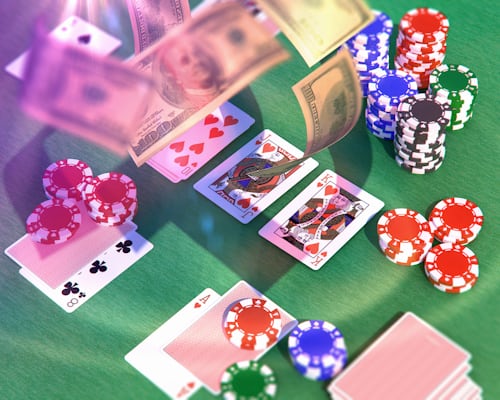
By the 17th century, the concept of casinos began to take shape in Europe. The Casino di Venezia, established in Italy, is often recognized as one of the first official gambling establishments. This marked a turning point in how society viewed gambling, shifting from informal gatherings to dedicated spaces designed for entertainment and wagering, laying the foundation for the modern casino.
The Golden Age of Casinos
The 19th century heralded a golden age for casinos, particularly in Europe and the United States. The introduction of games such as roulette and blackjack attracted a diverse clientele, from affluent aristocrats to everyday citizens seeking excitement. This era also saw the birth of iconic gambling destinations, with Monte Carlo in Monaco emerging as a symbol of luxury and sophistication.
As the popularity of casinos surged, legislation began to take shape to regulate gambling practices. This led to the establishment of standards ensuring fair play and protecting the interests of gamblers. The casino’s reputation grew as a legitimate form of entertainment, drawing in tourists and enhancing local economies in previously underestimated regions.
Casinos in the Modern Era
The 20th century was transformative for casinos, especially with the legalization of gambling in various jurisdictions across the globe. Las Vegas emerged as a powerhouse for the gambling industry, where extravagant resorts became synonymous with lavish entertainment and high-stakes gaming. The allure of Vegas drew in visitors from around the world, solidifying the city’s reputation as the gambling capital of the universe.
As technology advanced, so did the casino experience. The introduction of slot machines and electronic gaming systems revolutionized how people engaged with gambling. Online casinos began to emerge in the late 1990s, providing an entirely new platform for enthusiasts. This evolution not only expanded the reach of gambling but also raised questions about regulation and responsible gaming in the digital age.
The Cultural Impact of Casinos
Casinos have long held a mirror to society, reflecting cultural attitudes towards risk, entertainment, and wealth. They have inspired countless films, novels, and art, becoming a staple of popular culture. The allure of the casino lifestyle often portrays themes of glamour and high stakes, attracting both admirers and critics.
Furthermore, casinos have played a significant role in local communities. They generate substantial revenue through taxes, support tourism, and create jobs. However, this impact comes with challenges, as some communities grapple with gambling addiction and its effects. Striking a balance between the benefits and potential pitfalls remains crucial for the continued success and reputation of casinos.

Exploring More About Casinos Today
For those intrigued by the dynamic world of casinos and their histories, a wealth of resources is available. Websites dedicated to gambling insights provide an in-depth look at both historical and modern practices. They explore various topics, from gaming strategies to the latest trends in online gambling, ensuring that enthusiasts stay informed and engaged.
Understanding the evolution of casinos helps to appreciate their place in culture and society today. As this industry continues to grow and adapt, it remains a fascinating subject for exploration, offering insights into human behavior and the timeless allure of chance.