
Understanding Casino Loyalty Programs
Casino loyalty programs, often referred to as player rewards or loyalty schemes, are designed to incentivize regular players at casinos. These programs typically offer a range of benefits, including points for every dollar wagered, exclusive bonuses, and access to VIP events. For many players, these loyalty programs enhance the gaming experience, providing tangible rewards that can be used for future play, meals, or accommodations at the casino, including opportunities to enjoy pokies online that further amplify their excitement. By understanding how these programs work, players can make informed decisions about engaging with them.
Most casinos categorize their loyalty programs into tiers, with higher tiers offering more substantial rewards. For example, a player might start at a basic tier, earning points at a slower rate, and can progress to higher tiers by accumulating more points through continued play. This tiered system encourages players to spend more time and money at the casino to unlock greater benefits, creating a sense of achievement alongside the potential for financial gain.
Furthermore, loyalty programs are not just about monetary rewards. They often include perks like personalized service, free tickets to events, or membership in exclusive clubs. For frequent visitors, these additional benefits can significantly enhance the overall experience, making each visit feel more special and rewarding. As a result, players can often find that their initial investment in time and money is repaid through these loyalty benefits.
The Financial Aspect of Loyalty Programs
When considering whether casino loyalty programs are worth the investment, it’s crucial to analyze the financial implications. Players must evaluate the cost of their gambling activities against the potential returns from loyalty rewards. Many programs offer points for every wager, but not all points are created equal; understanding the conversion rate of points to actual rewards is essential. This calculation helps determine if the financial commitment aligns with the potential for rewards.
Additionally, some loyalty programs may require players to reach a specific spending threshold before they can start accruing benefits. This requirement could encourage players to spend more than they initially intended, leading to increased losses rather than gains. Therefore, it’s important for players to set a budget and stick to it, ensuring that their engagement with the loyalty program remains a positive endeavor rather than a financial burden.

Players should also be cautious about the “loss leader” effect that some loyalty programs can create. As players chase higher tier status and lucrative rewards, they may find themselves gambling more to meet the necessary spending criteria. This behavior can result in unhealthy gaming habits that overshadow the potential benefits of the program. Ultimately, players should regularly assess their gambling behavior and the rewards they are receiving to ensure they are getting true value from their investments.
Comparing Loyalty Programs Across Casinos
Not all casino loyalty programs are created equal, and comparing various programs can reveal which offers the best value for players. Some casinos may provide more generous point accumulation rates, while others might offer better redemption options. By researching and comparing loyalty programs, players can identify which casinos align best with their gaming habits and preferences.
For example, one casino may allow players to redeem loyalty points for cash rewards or free play, while another might focus more on complimentary services, such as dining or hotel stays. Players should consider what types of rewards they value most. If a player often frequents a particular casino for entertainment, a program that offers free meals or show tickets may be more valuable than one that simply provides cash back.
Moreover, players should also consider the convenience of earning and redeeming rewards. Some programs may require players to jump through hoops or navigate complex redemption processes, while others might offer straightforward, easy-to-understand options. This ease of use is crucial for enhancing the overall player experience and ensuring that loyalty programs deliver real-world benefits without unnecessary hassle.
The Psychological Impact of Loyalty Programs
Casino loyalty programs also have a significant psychological component. The feeling of being a valued member of an exclusive club can enhance the gaming experience and encourage players to return. The social aspect of competing for rewards can foster a sense of camaraderie among players and enhance their overall enjoyment of the casino environment. This psychological effect can lead to increased spending, as players may feel compelled to participate more actively in the gaming experience.
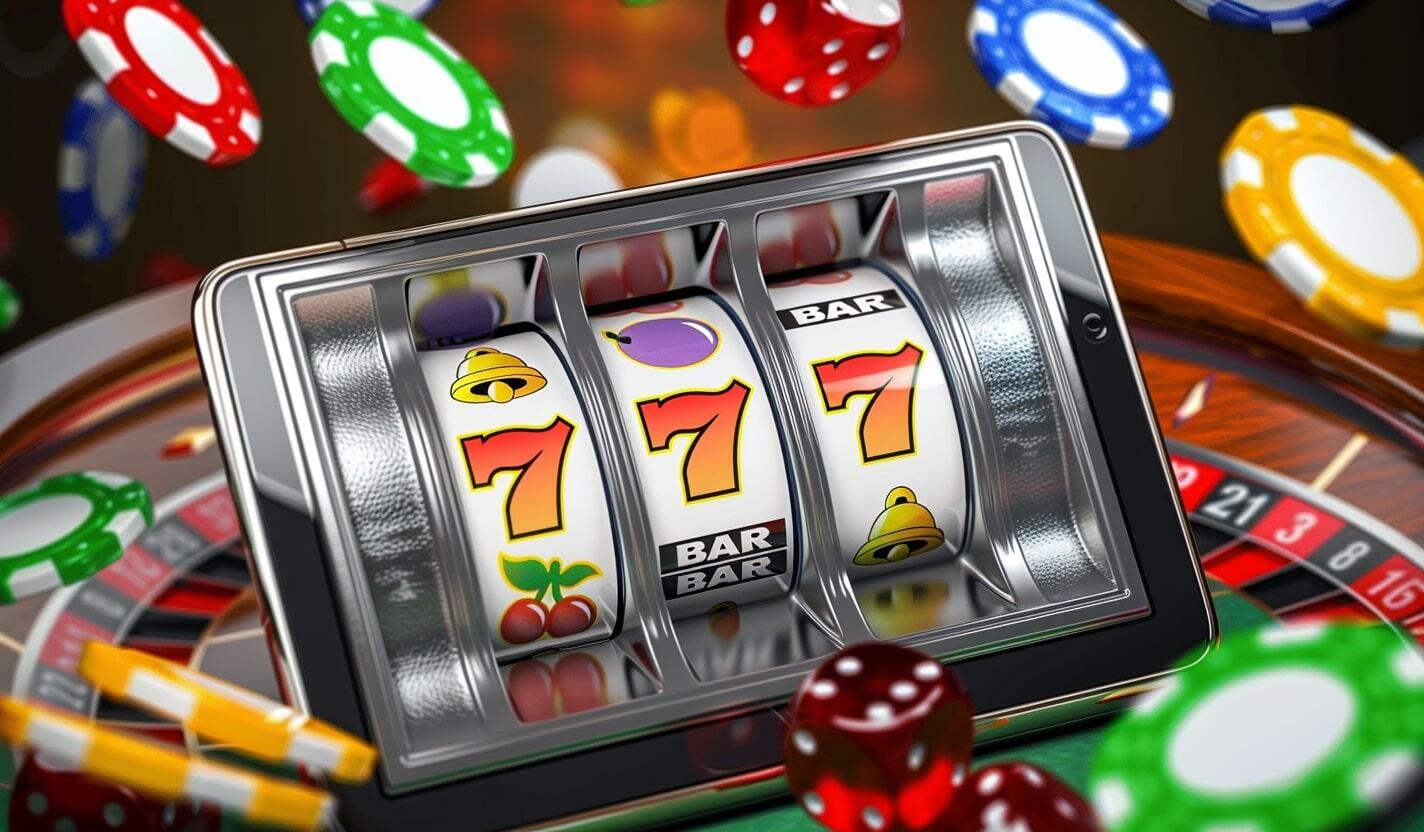
Additionally, loyalty programs can instill a sense of loyalty toward a specific casino. Once players begin to accumulate points and see the benefits of their engagement, they are less likely to visit competing establishments. This habitual behavior can further entrench a player’s commitment to a single location, affecting their gambling choices. However, this brand loyalty can also have a downside, leading players to disregard better offers or experiences at rival casinos simply because they are emotionally attached to their loyalty program.
It is essential for players to remain aware of these psychological influences and ensure they approach loyalty programs with a balanced mindset. A well-informed player can leverage their relationship with a casino to maximize rewards while avoiding the pitfalls of emotional attachment or compulsive gambling behavior influenced by loyalty schemes.
Final Thoughts on Loyalty Programs and Responsible Gaming
In conclusion, casino loyalty programs can be a valuable investment for players who understand their structure and implications. While the potential rewards can be enticing, it is essential to approach these programs with caution and strategic thinking. By evaluating the financial benefits against personal gaming habits and preferences, players can determine whether engaging with loyalty programs enhances their experience or simply adds undue pressure to spend more.
Additionally, responsible gaming practices should always be prioritized. Players should never gamble with money they cannot afford to lose, regardless of the potential rewards offered by loyalty programs. Setting limits and monitoring one’s gaming activities can help maintain a healthy relationship with gambling, ensuring that the pursuit of rewards does not overshadow the entertainment value of casino visits.
For those looking to navigate the complex world of casino loyalty programs while prioritizing responsible gaming, informative and supportive resources are key. Websites dedicated to educating players about the realities of casino rewards and responsible practices can provide the necessary insights to make informed decisions. Engaging with such resources will help ensure that players can enjoy the benefits of loyalty programs while maintaining a balanced and enjoyable gambling experience.